List

Category
Audience
Tags
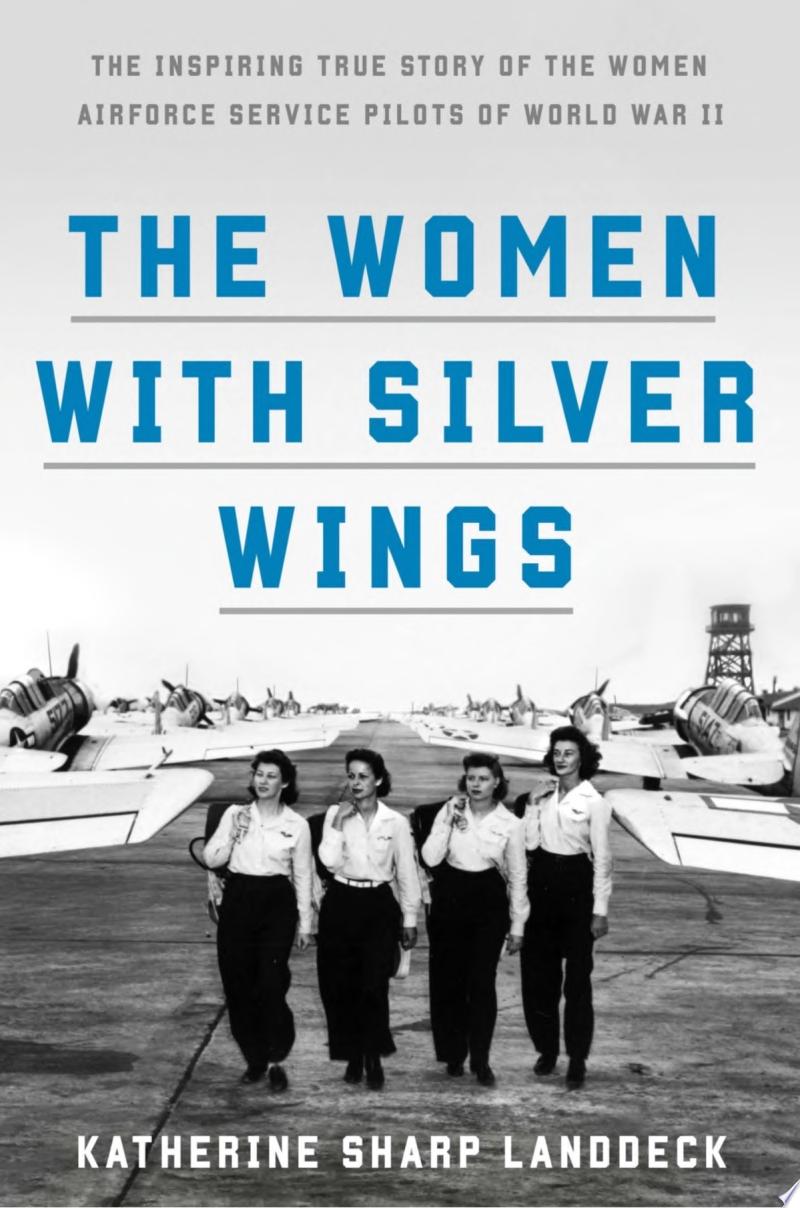
image for "The Women with Silver Wings"

The Women with Silver Wings

Katherine Sharp Landdeck

Description

The thrilling true story of the daring female aviators who helped the United States win World War II--only to be forgotten by the country they served.

When Japanese planes executed a sneak attack on Pearl Harbor in December 1941, Cornelia Fort was already in the air. At twenty-two, Cornelia had escaped Nashville's debutante scene for a fresh start as a flight instructor in Hawaii. She and her student were in the middle of their lesson when the bombs began to fall, and they barely made it back to ground that morning. Still, when the U.S. Army Air Forces put out a call for women pilots to aid the war effort, Cornelia was one of the first to respond. She became one of just over 1,100 women from across the nation to make it through the Army's rigorous selection process and earn her silver wings.

In The Women with Silver Wings, historian Katherine Sharp Landdeck introduces us to these young women as they meet even-tempered, methodical Nancy Love and demanding visionary Jacqueline Cochran, the trailblazing pilots who first envisioned sending American women into the air, and whose rivalry would define the Women Airforce Service Pilots. For women like Cornelia, it was a chance to serve their country--and to prove that women aviators were just as skilled and able as men.

While not authorized to serve in combat, the WASP helped train male pilots for service abroad and ferried bombers and pursuits across the country. Thirty-eight of them would not survive the war. But even taking into account these tragic losses, Love and Cochran's social experiment seemed to be a resounding success--until, with the tides of war turning and fewer male pilots needed in Europe, Congress clipped the women's wings. The program was disbanded, the women sent home. But the bonds they'd forged never failed, and over the next few decades, they came together to fight for recognition as the military veterans they were--and for their place in history.
View Details
image for "Women in White Coats"

Women in White Coats

Olivia Campbell

Description

NEW YORK TIMES BESTSELLER!


For fans of Hidden Figures and Radium Girls comes the remarkable story of three Victorian women who broke down barriers in the medical field to become the first women doctors, revolutionizing the way women receive health care.


In the early 1800s, women were dying in large numbers from treatable diseases because they avoided receiving medical care. Examinations performed by male doctors were often demeaning and even painful. In addition, women faced stigma from illness--a diagnosis could greatly limit their ability to find husbands, jobs or be received in polite society.


Motivated by personal loss and frustration over inadequate medical care, Elizabeth Blackwell, Elizabeth Garrett Anderson and Sophia Jex-Blake fought for a woman's place in the male-dominated medical field. For the first time ever, Women in White Coats tells the complete history of these three pioneering women who, despite countless obstacles, earned medical degrees and paved the way for other women to do the same. Though very different in personality and circumstance, together these women built women-run hospitals and teaching colleges--creating for the first time medical care for women by women.


With gripping storytelling based on extensive research and access to archival documents, Women in White Coats tells the courageous history these women made by becoming doctors, detailing the boundaries they broke of gender and science to reshape how we receive medical care today.

View Details
image for "Suffrage"

Suffrage

Ellen Carol DuBois

Description

Honoring the 100th anniversary of the 19th amendment to the Constitution, this “indispensable” book (Ellen Chesler, Ms. magazine) explores the full scope of the movement to win the vote for women through portraits of its bold leaders and devoted activists.

Distinguished historian Ellen Carol DuBois begins in the pre-Civil War years with foremothers Lucretia Mott, Elizabeth Cady Stanton, Susan B. Anthony, and Sojurner Truth as she “meticulously and vibrantly chronicles” (Booklist) the links of the woman suffrage movement to the abolition of slavery. After the Civil War, Congress granted freed African American men the right to vote but not white and African American women, a crushing disappointment. DuBois shows how suffrage leaders persevered through the Jim Crow years into the reform era of Progressivism. She introduces new champions Carrie Chapman Catt and Alice Paul, who brought the fight to the 20th century, and she shows how African American women, led by Ida B. Wells-Barnett, demanded voting rights even as white suffragists ignored them.

DuBois explains how suffragists built a determined coalition of moderate lobbyists and radical demonstrators in forging a strategy of winning voting rights in crucial states to set the stage for securing suffrage for all American women in the Constitution. In vivid prose, DuBois describes suffragists’ final victories in Congress and state legislatures, culminating in the last, most difficult ratification, in Tennessee.

“Ellen DuBois enables us to appreciate the drama of the long battle for women’s suffrage and the heroism of many of its advocates” (Eric Foner, author of The Second Founding: How the Civil War and Reconstruction Remade the Constitution). DuBois follows women’s efforts to use their voting rights to win political office, increase their voting strength, and pass laws banning child labor, ensuring maternal health, and securing greater equality for women.

Suffrage: Women’s Long Battle for the Vote is a “comprehensive history that deftly tackles intricate political complexities and conflicts and still somehow read with nail-biting suspense,” (The Guardian) and is sure to become the authoritative account of one of the great episodes in the history of American democracy.

View Details
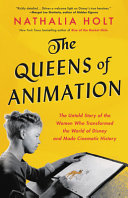
image for "The Queens of Animation"

The Queens of Animation

Nathalia Holt

Description

A BEST BOOK OF 2019 Library Journal and Financial Times

From the bestselling author of Rise of the Rocket Girls, the untold, "richly detailed" story of the women of Walt Disney Studios, who shaped the iconic films that have enthralled generations (Margot Lee Shetterly, New York Times bestselling author of Hidden Figures) 
From Snow White to Moana, from Pinocchio to Frozen, the animated films of Walt Disney Studios have moved and entertained millions. But few fans know that behind these groundbreaking features was an incredibly influential group of women who fought for respect in an often ruthless male-dominated industry and who have slipped under the radar for decades. 

In The Queens of Animation, bestselling author Nathalia Holt tells their dramatic stories for the first time, showing how these women infiltrated the boys' club of Disney's story and animation departments and used early technologies to create the rich artwork and unforgettable narratives that have become part of the American canon. As the influence of Walt Disney Studios grew---and while battling sexism, domestic abuse, and workplace intimidation---these women also fought to transform the way female characters are depicted to young audiences.

With gripping storytelling, and based on extensive interviews and exclusive access to archival and personal documents, The Queens of Animation reveals the vital contributions these women made to Disney's Golden Age and their continued impact on animated filmmaking, culminating in the record-shattering Frozen, Disney's first female-directed full-length feature film.
 

View Details
image for "No Stopping Us Now"

No Stopping Us Now

Gail Collins

Description

"Gail Collins inspires women to embrace aging and look at it with a new sense of hope" in this lively, fascinating, eye-opening look at women and aging in America, by the beloved New York Times columnist (Parade Magazine)

"You're not getting older, you're getting better," or so promised the famous 1970's ad--for women's hair dye. Americans have always had a complicated relationship with aging: embrace it, deny it, defer it--and women have been on the front lines of the battle, willingly or not. 

In her lively social history of American women and aging, acclaimed New York Times columnist Gail Collins illustrates the ways in which age is an arbitrary concept that has swung back and forth over the centuries. From Plymouth Rock (when a woman was considered marriageable if "civil and under fifty years of age"), to a few generations later, when they were quietly retired to elderdom once they had passed the optimum age for reproduction, to recent decades when freedom from striving in the workplace and caretaking at home is often celebrated, to the first female nominee for president, American attitudes towards age have been a moving target. Gail Collins gives women reason to expect the best of their golden years.

View Details
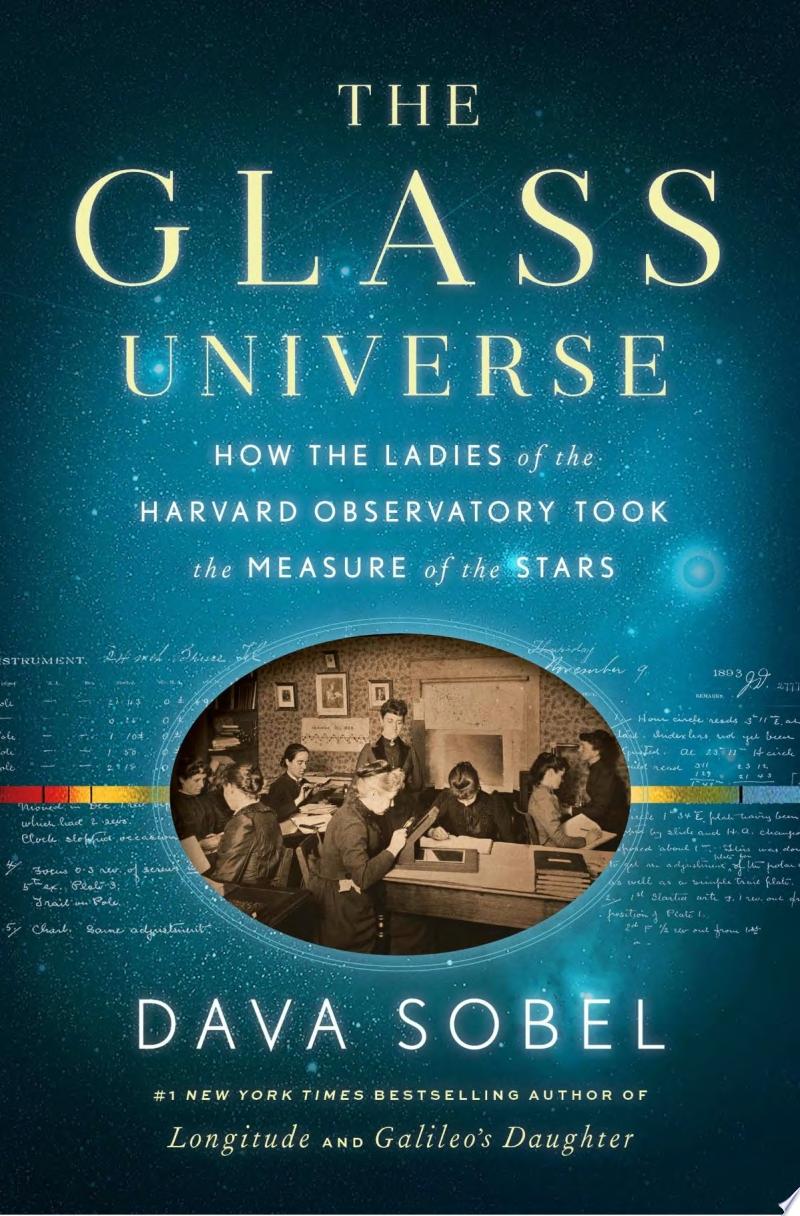
image for "The Glass Universe"

The Glass Universe

Dava Sobel

Description

From #1 New York Times bestselling author Dava Sobel, the inspiring (People), little-known true story of women's landmark contributions to astronomy

A New York Times Book Review Notable Book

Named one of the best books of the year by NPR, The Economist, Smithsonian, Nature, and NPR's Science Friday

Nominated for the PEN/E.O. Wilson Literary Science Writing Award

A joy to read." --The Wall Street Journal

In the mid-nineteenth century, the Harvard College Observatory began employing women as calculators, or "human computers," to interpret the observations their male counterparts made via telescope each night. At the outset this group included the wives, sisters, and daughters of the resident astronomers, but soon the female corps included graduates of the new women's colleges--Vassar, Wellesley, and Smith. As photography transformed the practice of astronomy, the ladies turned from computation to studying the stars captured nightly on glass photographic plates.

The "glass universe" of half a million plates that Harvard amassed over the ensuing decades--through the generous support of Mrs. Anna Palmer Draper, the widow of a pioneer in stellar photography--enabled the women to make extraordinary discoveries that attracted worldwide acclaim. They helped discern what stars were made of, divided the stars into meaningful categories for further research, and found a way to measure distances across space by starlight. Their ranks included Williamina Fleming, a Scottish woman originally hired as a maid who went on to identify ten novae and more than three hundred variable stars; Annie Jump Cannon, who designed a stellar classification system that was adopted by astronomers the world over and is still in use; and Dr. Cecilia Helena Payne, who in 1956 became the first ever woman professor of astronomy at Harvard--and Harvard's first female department chair.

Elegantly written and enriched by excerpts from letters, diaries, and memoirs, The Glass Universe is the hidden history of the women whose contributions to the burgeoning field of astronomy forever changed our understanding of the stars and our place in the universe.

View Details
image for "A Black Women's History of the United States"

A Black Women's History of the United States

Daina Ramey Berry

Description

The award-winning Revisioning American History series continues with this “groundbreaking new history of Black women in the United States” (Ibram X. Kendi)—the perfect companion to An Indigenous People’s History of the United States and An African American and Latinx History of the United States.

An empowering and intersectional history that centers the stories of African American women across 400+ years, showing how they are—and have always been—instrumental in shaping our country.

In centering Black women’s stories, two award-winning historians seek both to empower African American women and to show their allies that Black women’s unique ability to make their own communities while combatting centuries of oppression is an essential component in our continued resistance to systemic racism and sexism. Daina Ramey Berry and Kali Nicole Gross offer an examination and celebration of Black womanhood, beginning with the first African women who arrived in what became the United States to African American women of today.

A Black Women’s History of the United States reaches far beyond a single narrative to showcase Black women’s lives in all their fraught complexities. Berry and Gross prioritize many voices: enslaved women, freedwomen, religious leaders, artists, queer women, activists, and women who lived outside the law. The result is a starting point for exploring Black women’s history and a testament to the beauty, richness, rhythm, tragedy, heartbreak, rage, and enduring love that abounds in the spirit of Black women in communities throughout the nation.

View Details
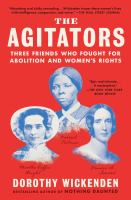
image for "The Agitators"

The Agitators

Dorothy Wickenden

Description

An LA Times Best Book of the Year

“Engrossing... examines the major events of the mid 19th century through the lives of three key figures in the abolitionist and women’s rights movements.” —Smithsonian

From the executive editor of The New Yorker, a riveting, provocative, and revelatory history of abolition and women’s rights, told through the story of three women—Harriet Tubman, Frances Seward, and Martha Wright—in the years before, during and after the Civil War.

The Agitators tells the story of America before the Civil War through the lives of three women who advocated for the abolition of slavery and for women’s rights as the country split apart. Harriet Tubman, Martha Coffin Wright, and Frances A. Seward are the examples we need right now—another time of divisiveness and dissension over our nation’s purpose ‘to form a more perfect union.’” —Hillary Rodham Clinton

In the 1850s, Harriet Tubman, strategically brilliant and uncannily prescient, rescued some seventy enslaved people from Maryland’s Eastern Shore and shepherded them north along the underground railroad. One of her regular stops was Auburn, New York, where she entrusted passengers to Martha Coffin Wright, a Quaker mother of seven, and Frances A. Seward, the wife of William H. Seward, who served over the years as governor, senator, and secretary of state under Abraham Lincoln. During the Civil War, Tubman worked for the Union Army in South Carolina as a nurse and spy, and took part in a spectacular river raid in which she helped to liberate 750 slaves from several rice plantations.

Wright, a “dangerous woman” in the eyes of her neighbors, worked side by side with Elizabeth Cady Stanton and Susan B. Anthony to organize women’s rights and anti-slavery conventions across New York State, braving hecklers and mobs when she spoke. Frances Seward, the most conventional of the three friends, hid her radicalism in public, while privately acting as a political adviser to her husband, pressing him to persuade President Lincoln to move immediately on emancipation.

The Agitators opens in the 1820s, when Tubman is enslaved and Wright and Seward are young homemakers bound by law and tradition, and ends after the war. Many of the most prominent figures of the era—Lincoln, William H. Seward, Frederick Douglass, Daniel Webster, Charles Sumner, John Brown, William Lloyd Garrison—are seen through the discerning eyes of the protagonists. So are the most explosive political debates: about the civil rights of African Americans and women, about the enlistment of Black troops, and about opposing interpretations of the Constitution.

Through richly detailed letters from the time and exhaustive research, Wickenden traces the second American revolution these women fought to bring about, the toll it took on their families, and its lasting effects on the country. Riveting and profoundly relevant to our own time, The Agitators brings a vibrant, original voice to this transformative period in our history.

View Details
image for "Young and Restless"

Young and Restless

Mattie Kahn

Description

NPR's Books We Love 2023

Glamour's "The 15 Best Nonfiction Books of 2023, So Far"

Vogue's "Best Books of 2023 (So Far)"

Town & Country's "The Best Books of 2023"

A "heartening inspiration"(The New York Times), the untold story of the people who have helped spark America’s most transformative social movements throughout history: teenage girls

Nine months before Rosa Parks kicked off the bus boycotts, Claudette Colvin was arrested for refusing to give up her seat on a segregated bus in Montgomery, Alabama. She was fifteen. In 1912, women’s rights activists organized a massive march in support of women’s suffrage. Leading them up Fifth Avenue in Manhattan was not one of the mothers of the movement, but a teenage Chinese immigrant named Mabel Ping-Hua Lee. Half a century before the better-known movements for workers’ rights began, over 1,500 girls—some as young as ten—walked out of factories in Lowell, Massachusetts, demanding safer working conditions and higher wages in one of the nation’s first-ever labor strikes.

Young women have been disenfranchised and discounted, but the true retelling of major social movements in America reveals their might: they have ignited almost every single one.

Young and Restless recounts one of the most foundational and underappreciated forces in moments of American revolution: teenage girls. From the American Revolution itself to the Civil Rights Movement to nuclear disarmament protests and the women’s liberation movement, through Black Lives Matter and school strikes for climate, Mattie Kahn uncovers how girls have leveraged their unique strengths, from fandom to intimate friendships, to organize and lay serious political groundwork for movements that often sidelined them. Their stories illuminate how much we owe to girls throughout the generations, what skills young women use to mobilize and find their voices, and, crucially, what we can all stand to learn from them.

View Details
image for "Wise Gals"

Wise Gals

Nathalia Holt

Description

From the New York Times bestselling author of Rise of the Rocket Girls comes the never-before-told story of a small cadre of influential female spies in the precarious early days of the CIA—women who helped create the template for cutting-edge espionage (and blazed new paths for equality in the workplace) in the treacherous post-WWII era.

In the wake of World War II, four agents were critical in helping build a new organization that we now know as the CIA. Adelaide Hawkins, Mary Hutchison, Eloise Page, and Elizabeth Sudmeier, called the “wise gals” by their male colleagues because of their sharp sense of humor and even quicker intelligence, were not the stereotypical femme fatale of spy novels. They were smart, courageous, and groundbreaking agents at the top of their class, instrumental in both developing innovative tools for intelligence gathering—and insisting (in their own unique ways) that they receive the credit and pay their expertise deserved.
Throughout the Cold War era, each woman had a vital role to play on the international stage. Adelaide rose through the ranks, developing new cryptosystems that advanced how spies communicate with each other. Mary worked overseas in Europe and Asia, building partnerships and allegiances that would last decades. Elizabeth would risk her life in the Middle East in order to gain intelligence on deadly Soviet weaponry. Eloise would wield influence on scientific and technical operations worldwide, ultimately exposing global terrorism threats. Through their friendship and shared sense of purpose, they rose to positions of power and were able to make real change in a traditionally “male, pale, and Yale” organization—but not without some tragic losses and real heartache along the way. 
Meticulously researched and beautifully told, Holt uses firsthand interviews with past and present officials and declassified government documents to uncover the stories of these four inspirational women. Wise Gals sheds a light on the untold history of the women whose daring foreign intrigues, domestic persistence, and fighting spirit have been and continue to be instrumental to our country’s security.

View Details
image for "In Defense of Witches"

In Defense of Witches

Mona Chollet

Description

Mona Chollet's In Defense of Witches is a “brilliant, well-documented” celebration (Le Monde) by an acclaimed French feminist of the witch as a symbol of female rebellion and independence in the face of misogyny and persecution.

Centuries after the infamous witch hunts that swept through Europe and America, witches continue to hold a unique fascination for many: as fairy tale villains, practitioners of pagan religion, as well as feminist icons. Witches are both the ultimate victim and the stubborn, elusive rebel. But who were the women who were accused and often killed for witchcraft? What types of women have centuries of terror censored, eliminated, and repressed?

Celebrated feminist writer Mona Chollet explores three types of women who were accused of witchcraft and persecuted: the independent woman, since widows and celibates were particularly targeted; the childless woman, since the time of the hunts marked the end of tolerance for those who claimed to control their fertility; and the elderly woman, who has always been an object of at best, pity, and at worst, horror. Examining modern society, Chollet concludes that these women continue to be harrassed and oppressed. Rather than being a brief moment in history, the persecution of witches is an example of society’s seemingly eternal misogyny, while women today are direct descendants to those who were hunted down and killed for their thoughts and actions.

With fiery prose and arguments that range from the scholarly to the cultural, In Defense of Witches seeks to unite the mythic image of the witch with modern women who live their lives on their own terms.

View Details
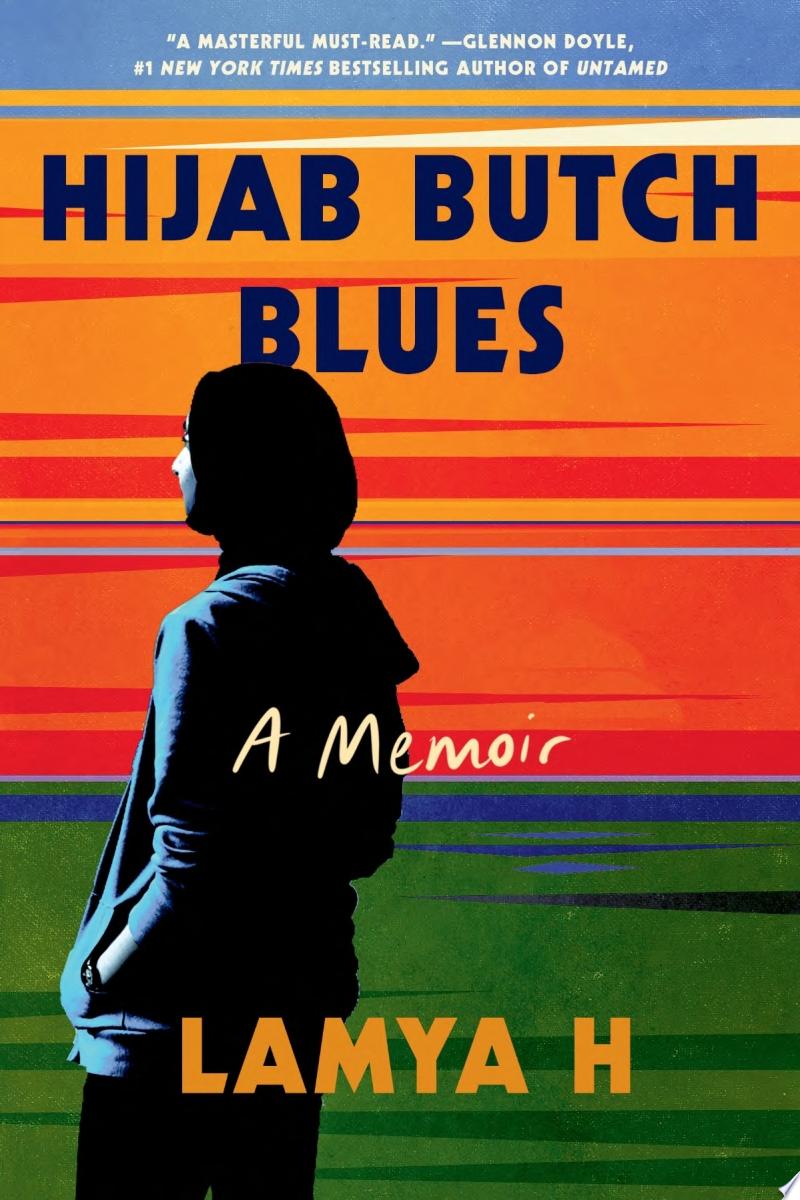
image for "Hijab Butch Blues"

Hijab Butch Blues

Lamya H

Description

A queer hijabi Muslim immigrant survives her coming-of-age by drawing strength and hope from stories in the Quran in this “raw and relatable memoir that challenges societal norms and expectations” (Linah Mohammad, NPR).

“A masterful, must-read contribution to conversations on power, justice, healing, and devotion from a singular voice I now trust with my whole heart.”—Glennon Doyle, #1 New York Times bestselling author of Untamed

AN AUDACIOUS BOOK CLUB PICK • WINNER: The Brooklyn Public Library Book Prize, the Stonewall Book Award, the Israel Fishman Nonfiction Award
A BEST BOOK OF THE YEAR: NPR, Autostraddle, Book Riot, BookPage, Harper’s Bazaar, Electric Lit, She Reads

When fourteen-year-old Lamya H realizes she has a crush on her teacher—her female teacher—she covers up her attraction, an attraction she can’t yet name, by playing up her roles as overachiever and class clown. Born in South Asia, she moved to the Middle East at a young age and has spent years feeling out of place, like her own desires and dreams don’t matter, and it’s easier to hide in plain sight. To disappear. But one day in Quran class, she reads a passage about Maryam that changes everything: When Maryam learned that she was pregnant, she insisted no man had touched her. Could Maryam, uninterested in men, be . . . like Lamya?
 
From that moment on, Lamya makes sense of her struggles and triumphs by comparing her experiences with some of the most famous stories in the Quran. She juxtaposes her coming out with Musa liberating his people from the pharoah; asks if Allah, who is neither male nor female, might instead be nonbinary; and, drawing on the faith and hope Nuh needed to construct his ark, begins to build a life of her own—ultimately finding that the answer to her lifelong quest for community and belonging lies in owning her identity as a queer, devout Muslim immigrant.
 
This searingly intimate memoir in essays, spanning Lamya’s childhood to her arrival in the United States for college through early-adult life in New York City, tells a universal story of courage, trust, and love, celebrating what it means to be a seeker and an architect of one’s own life.

View Details
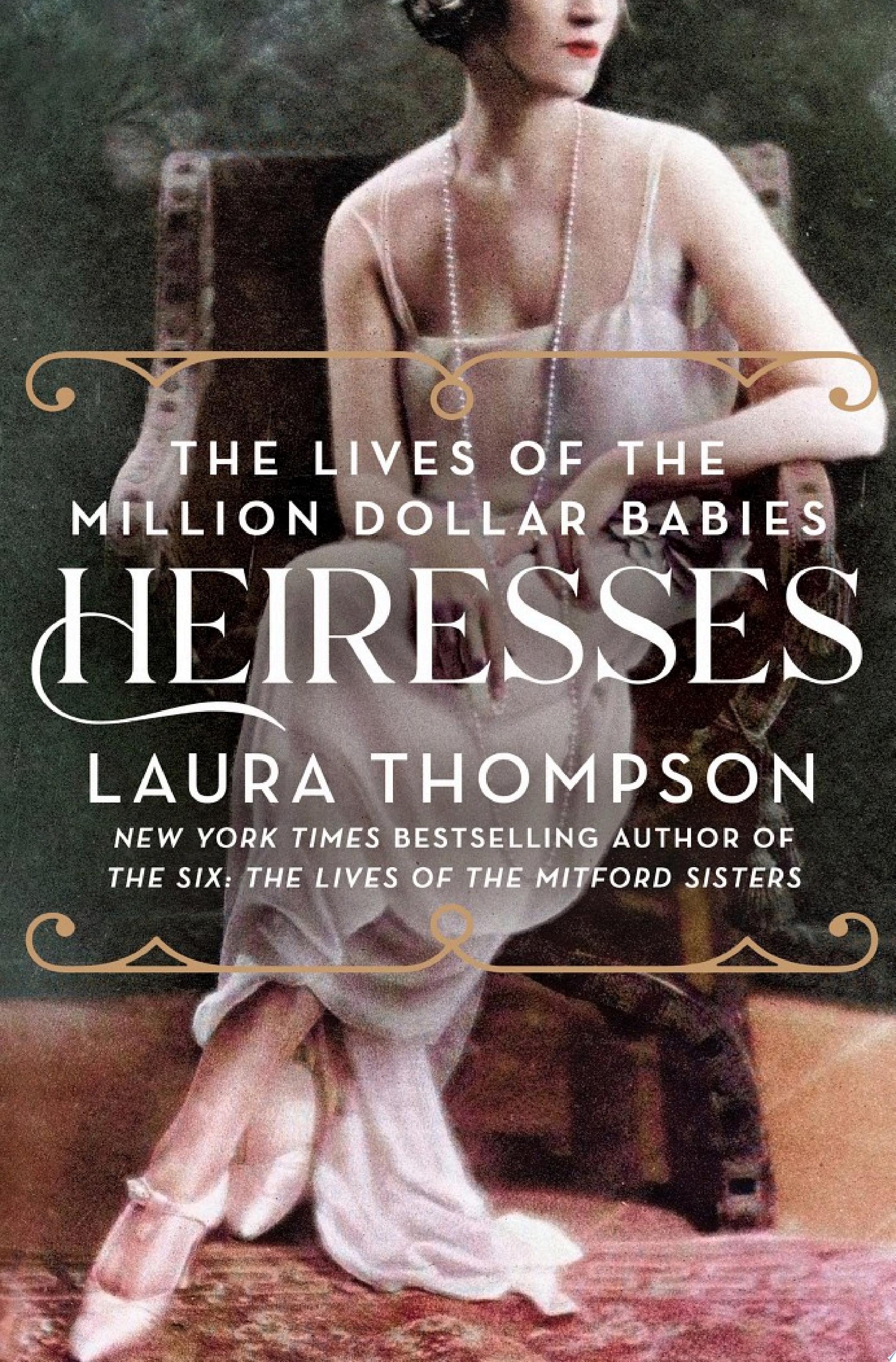
image for "Heiresses"

Heiresses

Laura Thompson

Description

New York Times bestselling author Laura Thompson returns with Heiresses, a fascinating look at the lives of heiresses throughout history and the often tragic truth beneath the gilded surface

Heiresses: surely they are among the luckiest women on earth. Are they not to be envied, with their private jets and Chanel wardrobes and endless funds? Yet all too often those gilded lives have been beset with trauma and despair. Before the 20th century a wife's inheritance was the property of her husband, making her vulnerable to kidnap, forced marriages, even confinement in an asylum. And in modern times, heiresses fell victim to fortune-hunters who squandered their millions. 
Heiresses tells the stories of these million dollar babies: Mary Davies, who inherited London's most valuable real estate, and was bartered from the age of twelve; Consuelo Vanderbilt, the original American "Dollar Heiress", forced into a loveless marriage; Barbara Hutton, the Woolworth heiress who married seven times and died almost penniless; and Patty Hearst, heiress to a newspaper fortune who was arrested for terrorism. However, there are also stories of independence and achievement: Angela Burdett-Coutts, who became one of the greatest philanthropists of Victorian England; Nancy Cunard, who lived off her mother's fortune and became a pioneer of the civil rights movement; and Daisy Fellowes, elegant linchpin of interwar high society and noted fashion editor. 
Heiresses is about the lives of the rich, who—as F. Scott Fitzgerald said—are 'different'. But it is also a bigger story about how all women fought their way to equality, and sometimes even found autonomy and fulfillment.

View Details
image for "Don't Let Them Bury My Story"

Don't Let Them Bury My Story

Viola Ford Fletcher

Description

"Every day, I have lived through the massacre. While our country may forget this history, I cannot." Viola Ford Fletcher


Viola Ford Fletcher's memoir Don't Let Them Bury My Story vividly recounts the lasting impact of the Tulsa Massacre on her life. As the oldest survivor and last living witness of the tragic events that unfolded in 1921, she shares her testimony with poignant clarity. From the terror of her childhood as a seven-year-old fleeing the burning streets of Greenwood to her current role as a 109-year-old family matriarch seeking justice for the affected families, Mother Fletcher takes us on a journey through a lifetime of pain and perseverance. Her inspiring story is a powerful reminder that some wounds never fully heal, and we must never forget the lessons of our history.

View Details
image for "Wild Girls"

Wild Girls

Tiya Miles

Description

Harriet Tubman, forced to labor outdoors on a Maryland plantation, learned from the land a terrain for escape. Louisa May Alcott ran wild, eluding gendered expectations in New England. The Indigenous women's basketball team from Fort Shaw, Montana, recaptured a sense of pride in physical prowess as they trounced the white teams of the 1904 World's Fair. Celebrating women like these who acted on their confidence outdoors, Wild Girls brings new context to misunderstood icons like Sacagawea and Pocahontas, and to underappreciated figures like Native American activist writer Zitkála-Sá, also known as Gertrude Bonnin, farmworkers' champion Dolores Huerta, and labor and Civil Rights organizer Grace Lee Boggs.

This beautiful, meditative work of history puts girls of all races--and the landscapes they loved--at center stage and reveals the impact of the outdoors on women's independence, resourcefulness, and vision. For these trailblazing women of the nineteenth and early twentieth centuries, navigating the woods, following the stars, playing sports, and taking to the streets in peaceful protest were not only joyful pursuits, but also techniques to resist assimilation, racism, and sexism. Lyrically written and full of archival discoveries, Wild Girls evokes landscapes as richly as the girls who roamed in them--and argues for equal access to outdoor spaces for young women of every race and class today.

View Details
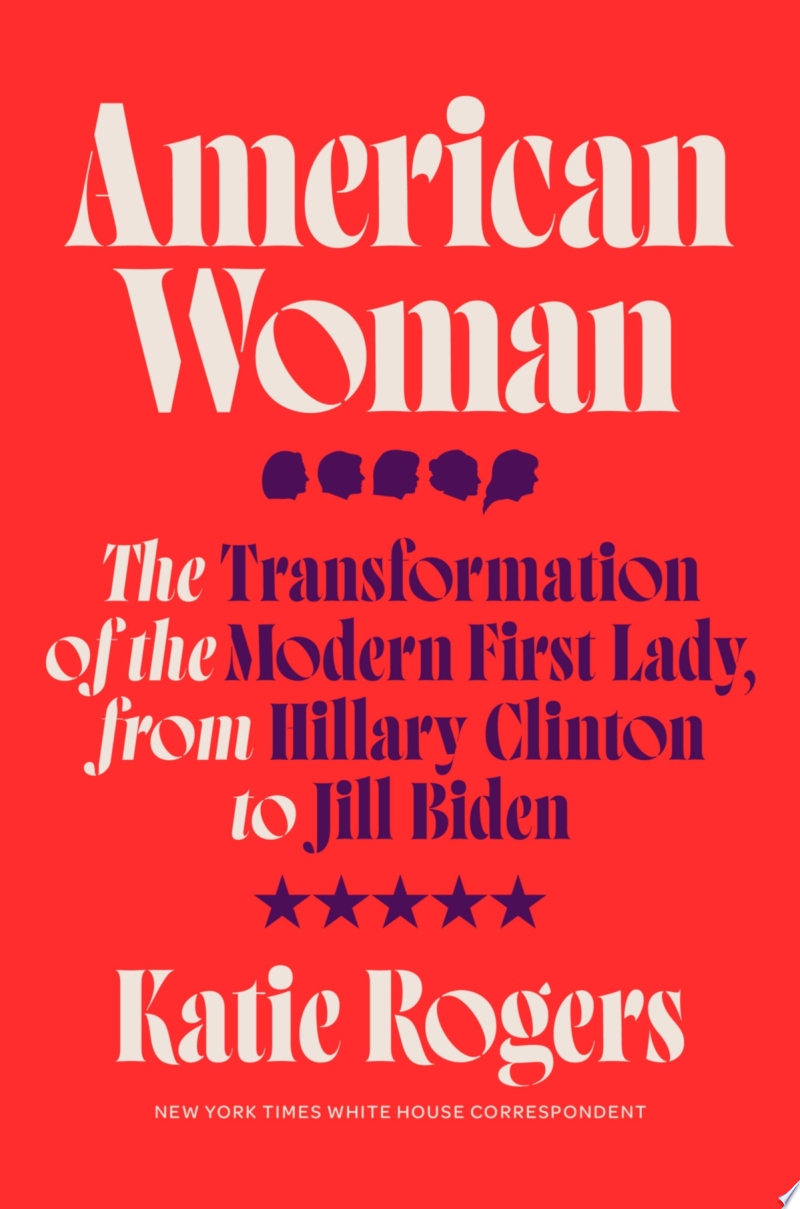
image for "American Woman"

American Woman

Katie Rogers

Description

The first definitive exploration of the changing role of the twenty-first-century First Lady, painting a comprehensive portrait of Jill Biden—from a White House correspondent for The New York Times

“A fascinating and deeply researched exploration into the most public facing and least understood role in Washington.”—Kate Andersen Brower, #1 New York Times bestselling author of The Residence and First Women

AN ELLE BEST BOOK OF THE YEAR

Since the Clinton era, shifts in media, politics, and pop culture have all redefined expectations of First Ladies, even as the boundaries set upon them have often remained anachronistic. With sharp insights and dozens of firsthand interviews with major players in the Biden, Obama, Trump, Bush, and Clinton orbits, including Jill Biden and Hillary Clinton, New York Times White House correspondent Katie Rogers traces the evolution of the role of the twenty-first-century First Lady from a ceremonial figurehead to a powerful political operator, which culminates in the tenure of First Lady Jill Biden.

Dr. Jill Biden began her journey toward public life in 1975 as a twenty-three-year-old who caught the eye of a widowed Senator Joe Biden. Recovering from the heartbreak of her failed first marriage, she found a man who was still grieving. She knitted his life together after unspeakable tragedy and stood by his side through three presidential campaigns.

In some ways, her legacy as First Lady was set before she ever entered the White House: She is the first presidential spouse in history to work in a paid role outside the White House, a decision that blazes the path for future first spouses. But as a prime guardian of one of the most insular operations in modern politics, she is also a central part of her husband’s presidential legacy.

Through deep reporting and newly discovered correspondence, American Woman is the first book to paint a full picture of Jill Biden while exploring how she helps answer the evolving question of what the role of the modern First Lady should be.

View Details
image for "All in Her Head"

All in Her Head

Elizabeth Comen

Description

Finalist for the 2025 PEN/E.O. Wilson Literary Science Writing Award

USA Today Bestseller

"All in Her Head accomplishes a remarkable feat of storytelling. By combining essential medical histories about women's bodies with all the narrative propulsion of a medical thriller, Comen has written a must-read, compelling, and important book."--Siddhartha Mukherjee, Pulitzer Prize-winning author of The Emperor of All Maladies and The Song of the Cell

"Wow! This book will upend everything you thought you knew about your body while empowering you to make better decisions moving forward. Through storytelling, extensive research, and easy recommendations, Dr. Elizabeth Comen has given us all a priceless road map to reclaim our agency."--Eve Rodsky, author of Fair Play

A surprising, groundbreaking, and fiercely entertaining work of narrative nonfiction, this medical history is both a collective narrative of women's bodies and a call to action for a new conversation around women's health.

For as long as medicine has been a practice, women's bodies have been treated like objects to be practiced on: examined and ignored, idealized and sexualized, shamed, subjugated, mutilated, and dismissed. The history of women's healthcare is a story in which women themselves have too often been voiceless--a narrative instead written from the perspective of men who styled themselves as authorities on the female of the species, yet uninformed by women's own voices, thoughts, fears, pain and experiences. The result is a cultural and societal legacy of gender bias in medicine that continues to shape the (mis)treatment and care of women.

While the modern age has seen significant advancements in the medical field, the notion that female bodies are flawed inversions of the male ideal lingers on--as do the pervasive societal stigmas and lingering ignorance that shape women's health and relationships with their own bodies.

In a feat of compelling science writing, Memorial Sloan Kettering oncologist and medical historian Dr. Elizabeth Comen draws back the curtain on the collective medical history of women to reintroduce us to our whole bodies--how they work, the actual doctors and patients whose perspectives and experiences laid the foundation for today's medical thought, and the many oversights that still remain unaddressed. With a physician's knowledge and empathy, Dr. Comen follows the road map of the eleven organ systems to share unique and untold stories, drawing upon medical texts and journals, interviews with expert physicians, as well as her own experience treating thousands of women.

Empowering women to better understand ourselves and encouraging patient advocacy for care that prioritizes healthy and joyful lives-- for us and generations to come--All in Her Head is written with humor, wisdom, and deep scientific and cultural insight. Eye-opening, sometimes enraging, yet always captivating, this shared memoir of women's medical history is an essential contribution to a holistic understanding and much-needed reclaiming of women's history and bodies.

View Details
image for "Wake"

Wake

Rebecca Hall

Description

A Best Book of the Year by NPR and The Washington Post

An imaginative and riveting tour de force that tells the “powerful” (The New York Times Book Review) story of women-led slave revolts and chronicles scholar Rebecca Hall’s efforts to uncover the truth about these female warriors who, until now, have been left out of the historical record.

Women warriors planned and led revolts on slave ships during the Middle Passage. They fought their enslavers throughout the Americas. And then they were erased from history.

Wake tells the “riveting” (Angela Y. Davis) story of Dr. Rebecca Hall, a historian, granddaughter of slaves, and a woman haunted by the legacy of slavery. The accepted history of slave revolts has always told her that enslaved women took a back seat. But Rebecca decides to look deeper, and her journey takes her through old court records, slave ship captain’s logs, crumbling correspondence, and even the forensic evidence from the bones of enslaved women from the “negro burying ground” uncovered in Manhattan. She finds women warriors everywhere.

Using a “remarkable blend of passion and fact, action and reflection” (NPR), Rebecca constructs the likely pasts of Adono and Alele, women rebels who fought for freedom during the Middle Passage, as well as the stories of women who led slave revolts in Colonial New York. We also follow Rebecca’s own story as the legacy of slavery shapes her life, both during her time as a successful attorney and later as a historian seeking the past that haunts her.

Illustrated beautifully in black and white, Wake will take its place alongside classics of the graphic novel genre, like Marjane Satrapi’s Persepolis and Art Spiegelman’s Maus. This story of a personal and national legacy is a powerful reminder that while the past is gone, we still live in its wake.

View Details
image of "A History of Women in 101 Objects"

A History of Women in 101 Objects

Annabelle Hirsch

Description

Discover the hidden history of women—and the world—through this visual exploration of intimate objects and the surprising, sometimes shocking stories behind them.

“I adored this book!”—Olivia Colman

This is a neglected history. Not a sweeping, definitive, exhaustive history of the world but something quieter, more intimate and particular: a single journey, picked out in 101 objects, through the fascinating, manifold, and too often overlooked histories of women.

With engaging prose, compelling stories, and a beautiful full-page image of each object, Annabelle Hirsch’s book contains a curated and diverse compendium of women and their things, uncovering the thoughts and feelings at the heart of women’s daily lives. The result is an intimate and stirring alternative history of humans in the world. The objects date from prehistory to today and are assembled chronologically to show the evolution of how women were perceived by others, how they perceived themselves, how they fought for freedom. Some (like a sixteenth-century glass dildo) are objects of female pleasure, some (a thumbscrew) of female subjugation. These are artifacts of women celebrated by history and of women unfairly forgotten by it. With variety and nuance, A History of Women in 101 Objects cracks open the fissures of what we think we know in order to illuminate a much richer retelling: What do handprints on early cave paintings tell us about the role of women in hunting? How is a cell phone related to femicides? What does Kim Kardashian’s diamond ring have to do with Elena Ferrante?

Wide-ranging, subversive, witty, and superbly researched, this is a book that upends all our assumptions about, and presentations of, the past, proving that it has always been as complicated and fascinating as the women who peopled it.

View Details
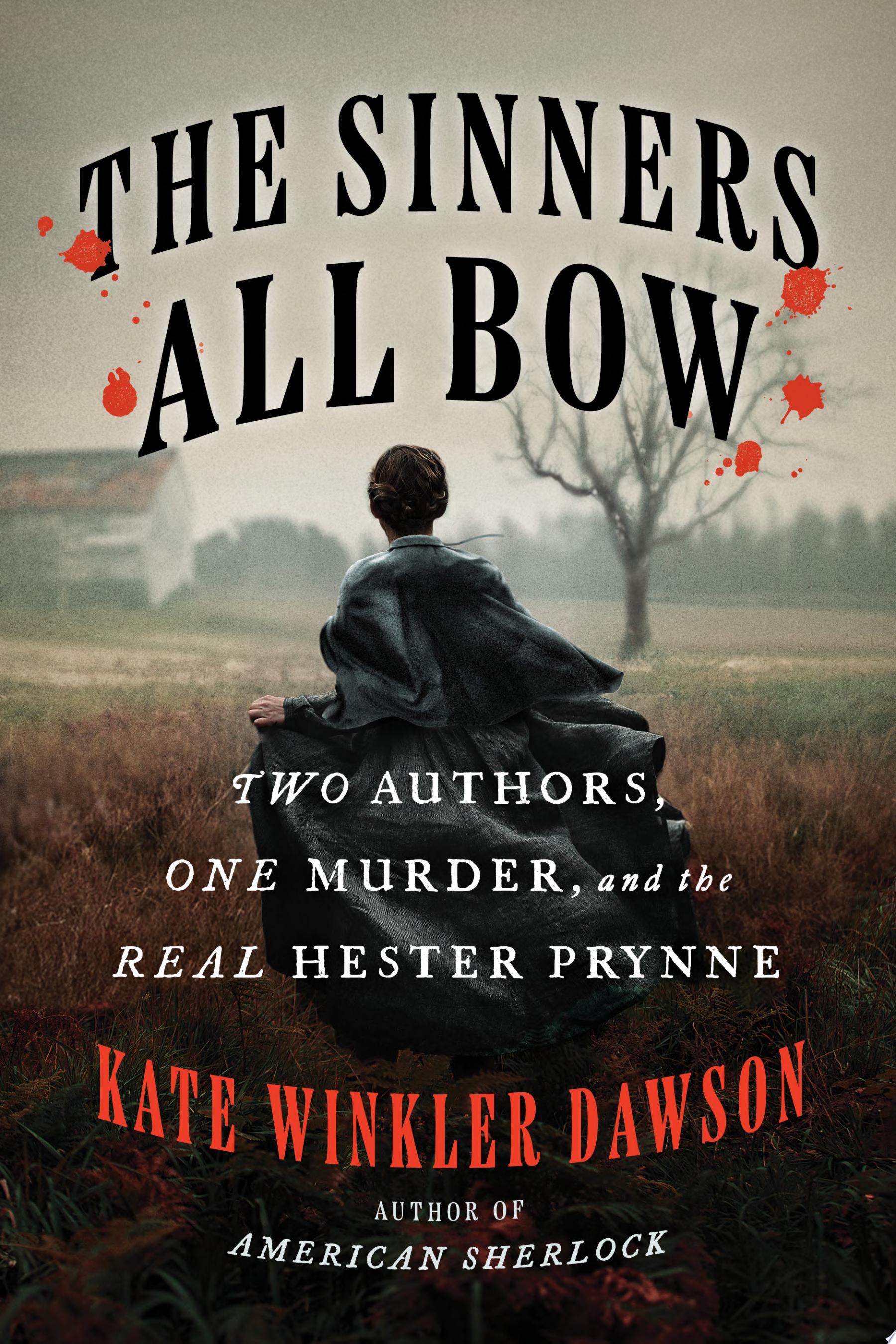
image of "The Sinners All Bow"

The Sinners All Bow

Kate Winkler Dawson

Description

INSTANT USA TODAY BESTSELLER!

One of Amazon’s Best History Books of January

Acclaimed journalist, podcaster, and true-crime historian Kate Winkler Dawson tells the true story of the scandalous murder investigation that became the inspiration for both Nathaniel Hawthorne’s The Scarlet Letter and the first true-crime book published in America.

On a cold winter day in 1832, Sarah Maria Cornell was found dead in a quiet farmyard in a small New England town. When her troubled past and a secret correspondence with charismatic Methodist minister Reverend Ephraim Avery was uncovered, more questions emerged. Was Sarah’s death a suicide...or something much darker? Determined to uncover the real story, Victorian writer Catharine Read Arnold Williams threw herself into the investigation as the trial was unfolding and wrote what many claim to be the first American true-crime narrative, Fall River. The murder divided the country and inspired Nathaniel Hawthorne’s The Scarlet Letter—but the reverend was not convicted, and questions linger to this day about what really led to Sarah Cornell’s death. Until now.

In The Sinners All Bow, acclaimed true-crime historian Kate Winkler Dawson travels back in time to nineteenth-century small-town America, emboldened to finish the work Williams started nearly two centuries before. Using modern investigative advancements—including “forensic knot analysis” and criminal profiling (which was invented fifty-five years later with Jack the Ripper)—Dawson fills in the gaps of Williams’s research to find the truth and bring justice to an unsettling mystery that speaks to our past as well as our present, anchored by three women who subverted the script they were given.

View Details
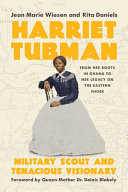
"Harriet Tubman" by Jean Marie Wiesen and Rita Daniels

Harriet Tubman

Jean Marie Wiesen

Description

A revolutionary portrait of Harriet Tubman—told with the voice of history and the authority of family. 

Harriet Tubman is one of the most iconic figures in American history, yet much of her true story has long been fragmented, misunderstood, or incomplete. While countless books recount her courage on the Underground Railroad, few explore the full scope of her strategic brilliance, military service, and lifelong leadership. 

Harriet Tubman: Military Scout and Tenacious Visionary sets out to correct the record. Drawing on deep archival research and rare family oral history, authors Jean Marie Wiesen and Rita Daniels—Tubman’s great-great-great-grandniece—present the first biography to involve a Tubman family member since Harriet herself was interviewed in 1886. 

This groundbreaking work reveals how Harriet’s childhood head injury limited her ability to complete early biographical interviews, leading to omissions that persisted for generations. It also uncovers her ancestral roots in Ghana, her role as a Union Army scout, spy, and strategist during the Civil War, and her tireless postwar activism as a suffragist, community leader, and founder of the Harriet Tubman Home for the Aged. 

Richly detailed and deeply human, this book offers a nuanced portrait of a woman whose intelligence, resilience, and moral clarity shaped American history—and whose legacy continues to resonate today.

View Details
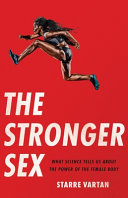
image of "The Stronger Sex"

The Stronger Sex

Starre Vartan

Description

A myth-busting vindication of women's physical strengths that's "fun, rooted in science, and a strong pitch for a stronger sex" (Cat Bohannon)


A Library Journal Best Book of the Year


For decades, Starre Vartan--like most women--was told that having a woman's body meant being weaker than men. Like many women, she mostly believed it. 


Not anymore. 


Following a half decade of research into the newest science, Vartan shows in The Stronger Sex that women's bodies are incredibly powerful, flexible, and resilient in ways men's bodies aren't. Tossing aside the narrow notion of a fully ripped man as the measure of strength, Vartan reveals the ways that women surpass men in endurance, flexibility, immunity, pain tolerance, and the ultimate test of any human body: longevity. Vartan--a deadeye shot since her grandmother showed her how to aim a .22--debunks myth after myth like so many tin cans at two hundred yards and reveals why, if anyone wins in a battle of the sexes, it's women. 


In interviews with dozens of researchers from biology, anthropology, physiology, and sports science, plus in-depth conversations with runners, swimmers, wrestlers, woodchoppers, thru-hikers, firefighters, and more, The Stronger Sex squashes outdated ideas about women's bodies. It's a celebration of female strength that doesn't argue "down with men" but "up with us all."

View Details
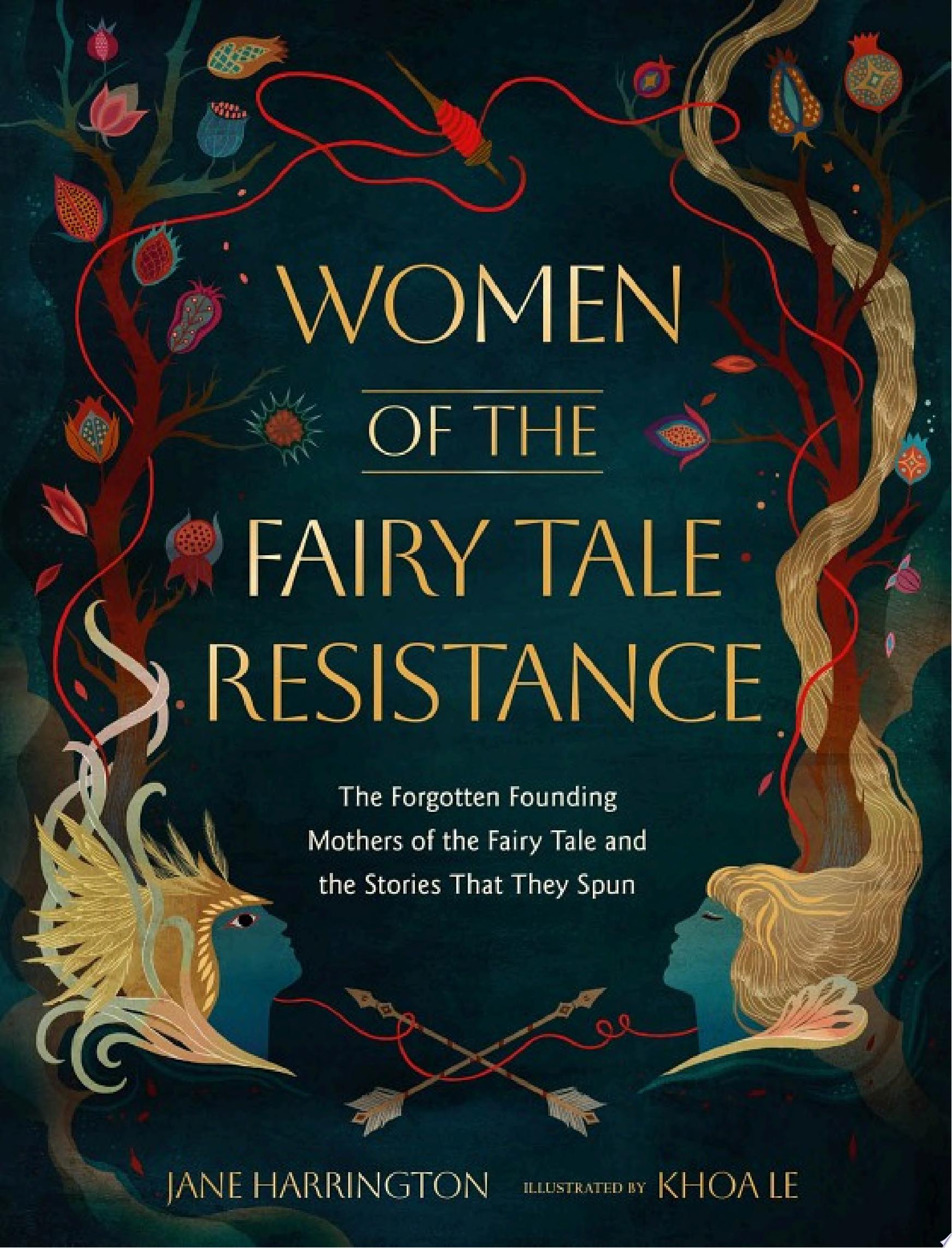
image for "Women of the Fairy Tale Resistance"

Women of the Fairy Tale Resistance

Jane Harrington

Description

Long before The Brothers Grimm, there was a sisterhood of writers who defied the patriarchy and launched a literary craze with their feminist fairy tales—these are their stories.

In 17th century Paris, a group of women who called themselves conteuses (female storytellers) came together to weave the very first fairy tales. One of them, Marie-Catherine d’Aulnoy, coined the term ‘fairy tale,’ and some of these stories contain many familiar elements that appear in tales like Rapunzel and Beauty and the Beast. Unfortunately, these women and their tales have mostly been forgotten to history.

Women of the Fairytale Resistance uncovers seven of these writer’s biographies—which are just as compelling as their fairy tales—and retells 12 of their original stories. The women were mostly young noblewomen who were forced into undesirable marriages and did not have the freedom to give their opinions, travel, or choose who they wanted to love. They used their stories as a way of subtly complaining about their husbands and critiquing the oppressive reign of King Louis XIV. The female-empowering, gender-bending tales combine themes like romance, fantasy, escapism, and their protagonists control of their own destiny—something the writers deeply desired in their own lives.  

Enchantingly designed with stunning full color illustrations throughout, this unique and entertaining book will have you rethink everything you know about traditional fairy tales.

View Details
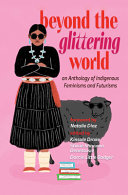
image for "Beyond the Glittering World"

Beyond the Glittering World

Stacie Shannon Denetsosie

Description

Rooted in visions of Indigenous futurisms, Beyond the Glittering World proclaims and celebrates a rising generation of Indigenous women and genderqueer storytellers.

The collection brings together twenty-two emerging and established writers whose poems and stories expand the imagination an. From a museum heist 177 years in the making, to lyrical explorations of love and loss, to a tale where language itself becomes the force that saves the land, this boundary-breaking, genre-bending anthology illuminates the power of Indigenous voices.

View Details
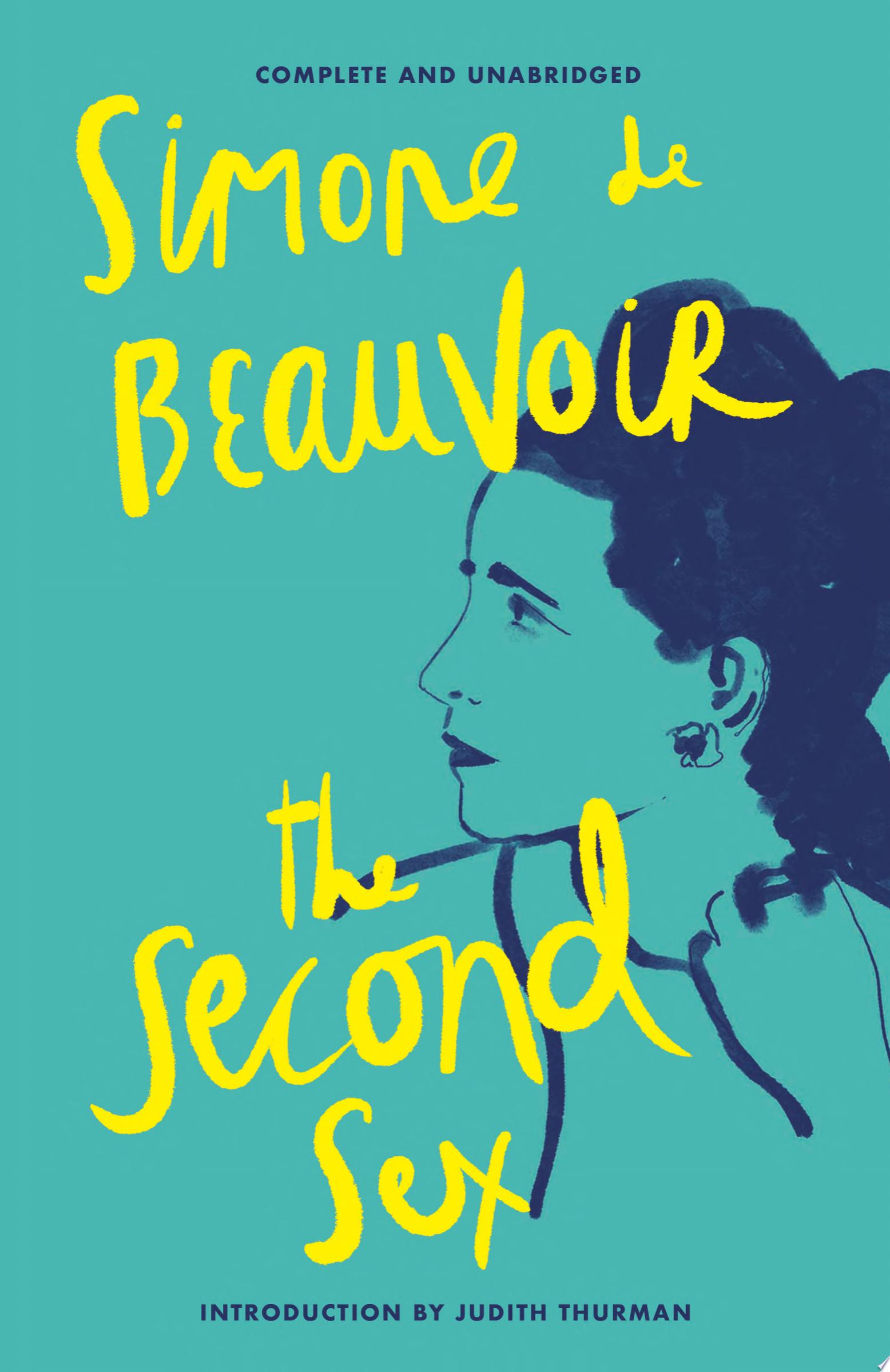
"The Second Sex" by Simone De Beauvoir

The Second Sex

Simone De Beauvoir

Description

The essential masterwork that has provoked and inspired generations of men and women. “From Eve’s apple to Virginia Woolf’s room of her own, Beauvoir’s treatise remains an essential rallying point, urging self-sufficiency and offering the fruit of knowledge.” —Vogue

This unabridged edition reinstates significant portions of the original French text that were cut in the first English translation. Vital and groundbreaking, Beauvoir’s pioneering and impressive text remains as pertinent today as when it was first published, and will continue to provoke and inspire generations of men and women to come.

View Details